
Visit our showroom : 6 Royan Place, Bayswater North, Victoria 3153
Visit our showroom : 6 Royan Place, Bayswater North, Victoria 3153

Maroondah Heating & Cooling are the locally based and fully certified specialists. We have been heating and cooling Melbourne homes for over 25+ years.
Need a quote? Give us your information below and we will get back to you.



By an Australian general practitioner
As a doctor practising in Australia, I see the same story every week: a busy adult over 30 who has been fighting a chest infection, a painful tooth abscess, or a nasty animal bite. They have tried to push through. They have lost sleep, missed work, and cancelled family plans. The pain, fever, and swelling do not just affect the body — they drain your energy, your income, and your peace of mind.
The real worry is not just the infection itself. It is what can happen if the infection is left untreated or only half-treated. A simple skin infection can spread. A dental abscess can become a deeper facial infection. A dog bite can turn into a serious tissue infection within 24 hours. For people over 30, with busier lives and more responsibilities, a preventable complication is the last thing you need.
This is where a trusted antibiotic like amoxicillin comes in. It is not new. It is not fashionable. But in my clinical experience, it remains one of the most useful, well-understood, and reliable treatments for a wide range of bacterial infections in Australian adults.
Amoxicillin is a penicillin-class antibiotic. It works by attacking the cell wall of susceptible bacteria, causing them to break down and die. This makes it highly effective against many common bacteria that cause respiratory, ear, sinus, urinary, skin, and dental infections.
One of the first questions my patients ask is: “Is this medication approved and safe in Australia?” The answer is clear. Amoxicillin is approved by the Therapeutic Goods Administration (TGA) and is listed on the Australian Register of Therapeutic Goods (ARTG). It is a Schedule 4 prescription-only medicine, which means it is only available with a doctor’s prescription. TGA approval means the medication has met strict Australian standards for quality, safety, and effectiveness.
| Feature | Detail |
|---|---|
| TGA status | Approved and ARTG-listed in Australia |
| Drug class | Penicillin-class antibiotic |
| Legal status | Schedule 4 — prescription only |
| Common forms | Capsules, tablets, oral suspension |
| Elimination | Mainly via the kidneys, unchanged in urine |
| Half-life | Approximately 1–1.5 hours in adults with normal kidney function |
For a busy Australian adult, this profile matters. Amoxicillin is usually taken by mouth, it is absorbed well, and it reaches therapeutic levels in many tissues, including the lungs, sinuses, ears, skin, and bone. That means many infections can be treated at home, without a hospital stay.
My patients often come in with specific fears. “Doctor, the dog bit me — will this get infected?” “My dentist said I need antibiotics before my heart check.” “I have a tooth abscess and I cannot sleep.” Amoxicillin often has a place in these conversations.
Yes, amoxicillin can be used for animal bites, but the choice depends on the type of bite and the bacteria involved. Cat and dog bites can introduce bacteria such as Pasteurella, Streptococcus, and Staphylococcus. In Australian practice, amoxicillin-clavulanate is often the first choice for bite wounds because it covers a broader range of bacteria. However, if a wound culture shows that the bacteria are susceptible to amoxicillin alone, plain amoxicillin may be appropriate. The key message is: any animal bite should be assessed promptly by a doctor, because the risk of infection is high.
Osteomyelitis is a serious infection of the bone. The question often comes from patients or families facing a long treatment journey. Amoxicillin can be used for osteomyelitis when the infection is caused by bacteria that are sensitive to it. The dose is usually high, and the treatment is prolonged — often weeks to months. Sometimes treatment starts in hospital with intravenous antibiotics and then switches to oral amoxicillin to complete the course. This can be a huge relief for patients who want to recover at home.
Yes. For people with certain high-risk heart conditions, amoxicillin is recommended before some dental procedures to prevent infective endocarditis — a life-threatening infection of the heart lining. Australian guidelines typically recommend a single 2 g oral dose of amoxicillin about one hour before the procedure. This simple step can protect people with heart valve problems, prosthetic valves, or a history of endocarditis. It is not for everyone, so your doctor or dentist will advise if you need it.
Amoxicillin covers a wide range of common bacterial infections. Below is a summary of conditions where amoxicillin may be used, based on Australian clinical practice and susceptibility patterns.
| Infection type | Examples | Notes from a doctor’s perspective |
|---|---|---|
| Respiratory tract | Acute bacterial sinusitis, some community-acquired pneumonia, acute exacerbations of chronic bronchitis | Often used when bacterial infection is likely and symptoms are significant |
| Ear, nose, throat | Otitis media, streptococcal tonsillitis/pharyngitis | Very common in adults and older children; helps reduce pain and complications |
| Urinary tract | Some uncomplicated urinary tract infections during pregnancy, certain kidney infections | Chosen based on culture and local resistance patterns |
| Skin and soft tissue | Cellulitis, infected wounds, some animal bites | Early treatment can prevent hospital admission |
| Dental | Dental abscess, spreading dental infection | Often used alongside dental treatment for rapid pain relief |
| Bone and joint | Osteomyelitis caused by susceptible organisms | Requires high dose and long duration |
| Stomach | Helicobacter pylori eradication | Used in combination with other medicines |
Understanding how a drug leaves the body helps my patients feel more confident. Amoxicillin is eliminated mainly by the kidneys. Most of the drug is excreted unchanged in the urine within hours. The half-life is short — about 1 to 1.5 hours in people with normal kidney function. This means it is usually taken multiple times a day to maintain effective levels. If your kidney function is reduced, your doctor may adjust the dose. This renal elimination is one reason amoxicillin is so useful for urinary tract infections — it reaches high concentrations in the urine.
No — and this is one of the most important instructions I give. When you take amoxicillin, you often start feeling better within 48 to 72 hours. The fever drops, the pain eases, and you may think the infection is gone. But the bacteria may still be present in smaller numbers. If you stop early, those surviving bacteria can multiply again, causing a relapse. Worse, they may become resistant to the antibiotic. This means the same drug may not work for you in the future. Always complete the full course exactly as prescribed, even if you feel completely well.
Yes, this is a well-known and frustrating side effect. Amoxicillin is a broad-spectrum antibiotic, which means it can kill both harmful bacteria and some of the protective bacteria that normally keep yeast in check. This can lead to oral thrush or vaginal thrush. For many adults over 30, especially women, this is a real concern. The good news is that thrush is usually easy to manage. Your doctor or pharmacist can recommend an antifungal treatment, and some patients find probiotics helpful. Do not stop the antibiotic without speaking to your doctor first, because stopping early can be more dangerous than the thrush itself.
| Concern | Doctor’s answer |
|---|---|
| Animal bites | Yes, amoxicillin can be used; amoxicillin-clavulanate is often first-line for broader cover |
| Osteomyelitis | Yes, for susceptible bacteria; high-dose, prolonged therapy often required |
| Endocarditis prophylaxis | Yes, for high-risk heart patients before certain dental procedures |
| Stop early if feeling better | No — complete the full course to prevent relapse and resistance |
| Yeast infections | Possible; manageable with antifungal treatment and probiotics |
| Elimination | Mainly renal; dose adjusted in kidney impairment |
If you are lying awake at night with a throbbing tooth, struggling with a chesty cough that will not clear, or worrying about an animal bite, do not wait. The cost of delaying treatment is higher than the cost of a GP visit. Amoxicillin has decades of evidence behind it, TGA approval in Australia, and a safety profile that doctors know well. It can treat a wide range of infections, help you avoid hospital, and get you back to work, family, and the activities you enjoy.
Talk to your GP or pharmacist today. Ask whether amoxicillin is appropriate for your specific infection. If it is prescribed, take it exactly as directed, finish the full course, and ask about simple ways to reduce side effects such as thrush. Your health is worth protecting — and the right antibiotic, used correctly, can make all the difference.
Take control of your recovery. Book a doctor’s appointment now and ask about amoxicillin.
Disclaimer: This article is for educational and informational purposes only and does not replace individual medical advice. Amoxicillin is a prescription-only medicine in Australia and should only be used under the guidance of a registered medical practitioner.

Looking to go gas free in Victoria? You’re not alone. Both on a local and national level, a major push is being made to help property owners transition away from gas based appliances and embrace more efficient carbon-friendly options. Effective Jan 1, 2024, Victoria’s Gas Substitution Roadmap will officially begin. This initiative not only aims […]

As one of Melbourne’s leading heating and cooling companies, we have some expert tips and advice to keep you comfortable and cool. From rebates to cutting edge air conditioning systems, there are various steps you can take.
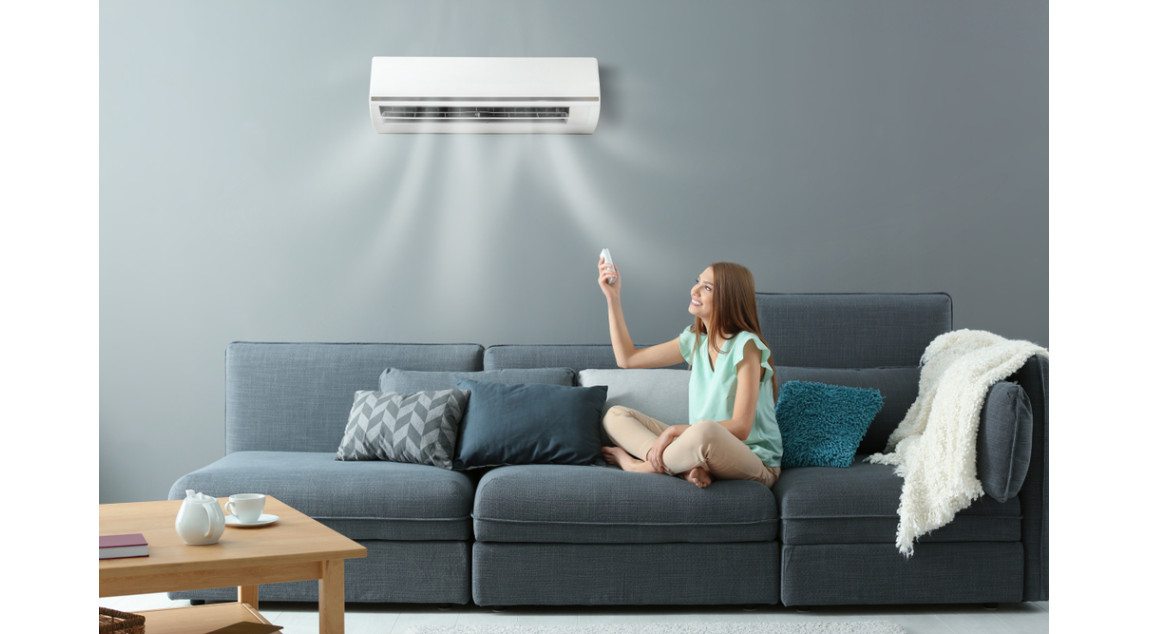
Whether you’re upgrading, fitting out a new property, or simply want to stay ready for the warm weather, we’re here to break down the best and brightest split systems available this summer.

A new air conditioning system is a big investment for any home and business. While the unit and brand is an important consideration, so is the company you choose. From the initial installation to ongoing servicing and repairs, you need someone that you can trust, respect, and depend on in a crunch. These days, heating […]
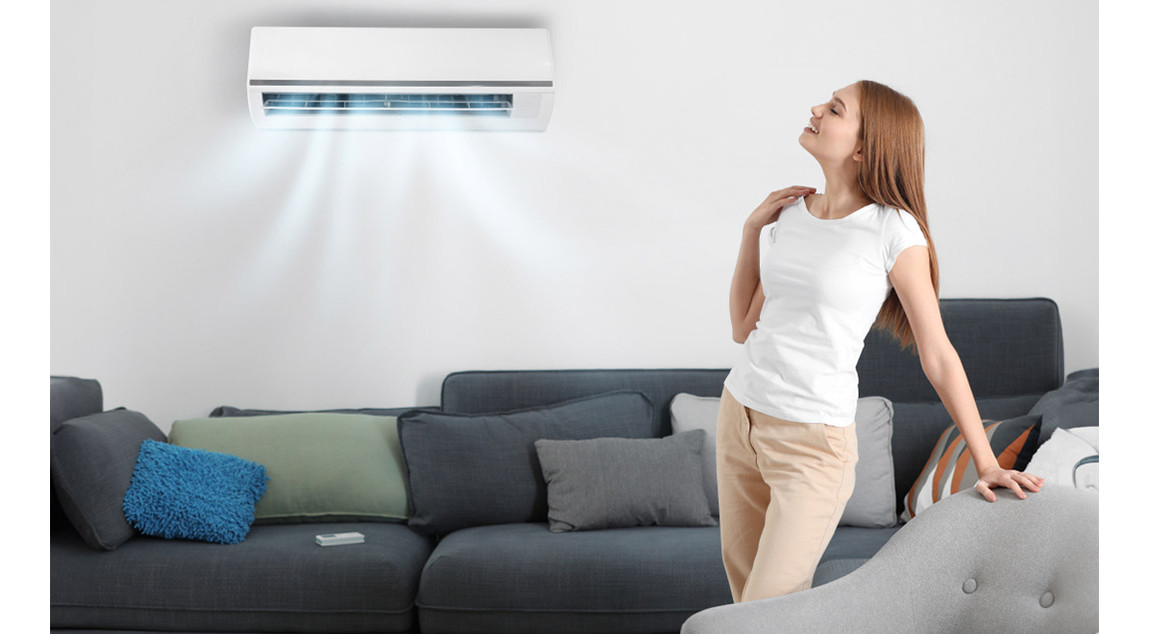
On a global level, our weather is becoming more unpredictable and extreme than ever. Australia is certainly no exception to the rule. In response, we’re all searching for ways to cope and be as comfortable as possible. Luckily, this is where split systems really fit the bill. Unless you’ve recently undertaken a renovation or bought […]

While split systems tend to get a lot of attention, there are many other great forms of air conditioning available. Today, we are going to shine a light on a highly regarded alternative–evaporative cooling systems. Often dubbed the most natural and eco-friendly form of air conditioning, evaporation coolers are available as both stand alone units […]

Your air conditioner won’t always last forever, but regular servicing sure helps to extend its lifespan. If you’re using the unit on a regular basis, this places a strain on all of its components, which can quickly lead to costly repairs.

Whether you want to retrofit a gas log fire into your existing fireplace or fit one into a newly built home, there’s never been a better time to invest in a brand new Rinnai log fire. Let’s explore why right now.
Types of Rinnai Gas Log Fires

Inflation and cost-of-living pressures are undoubtedly two of the biggest challenges that Melbournians currently face. While we are unable to control the cost of petrol and supermarket items, there are some ways to cut down and save money. Today, we’re going to focus on heating and cooling and highlight some ways that you can save […]
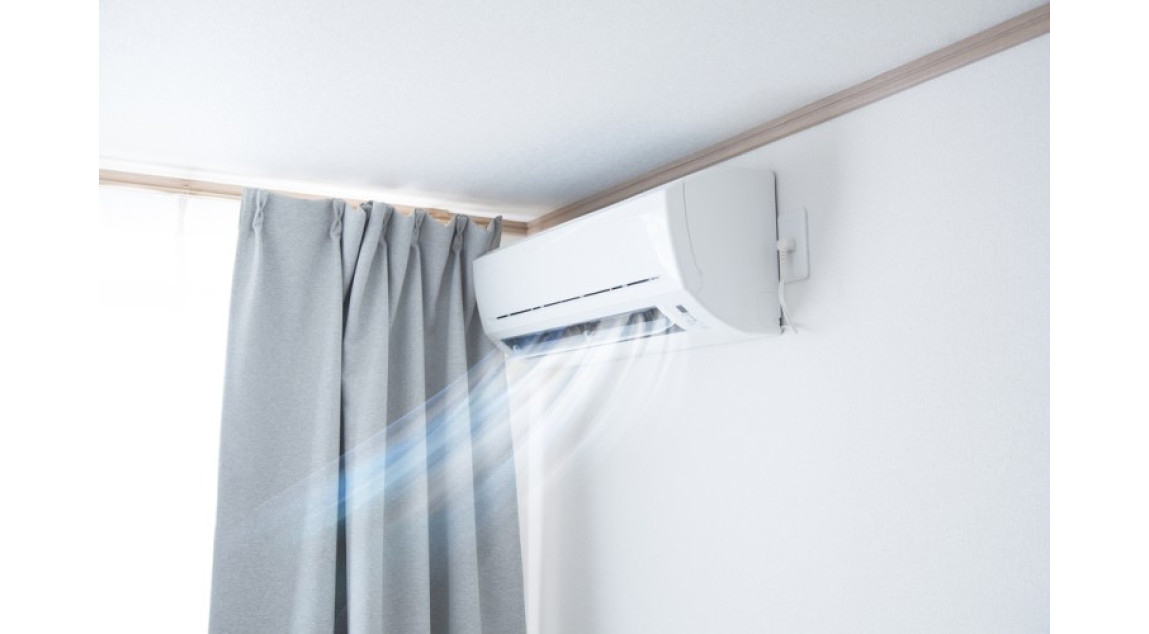
Air conditioning plays an incredibly important role in all of our lives. From home to work, shopping centres and public transport, we rely on these systems almost every day. As our need for reliable AC continues to grow, so does the capacity and functionality of modern air conditioning units. Without a doubt, split systems are […]


 03 9738 2000

