
Visit our showroom : 6 Royan Place, Bayswater North, Victoria 3153
Visit our showroom : 6 Royan Place, Bayswater North, Victoria 3153

Maroondah Heating & Cooling are the locally based and fully certified specialists. We have been heating and cooling Melbourne homes for over 25+ years.
Need a quote? Give us your information below and we will get back to you.



General information only. Azithromycin is a prescription-only medicine in Australia. Always consult your GP, paediatrician or specialist.
It starts with a child crying with ear pain, a bout of holiday diarrhoea, a swollen lymph node after a cat scratch, or a newborn with sticky, weeping eyes. You are exhausted, worried, and need treatment that works fast without complicated dosing. As a doctor, I see how much these moments matter. The antibiotic azithromycin has become one of the most useful tools in Australian medicine because it tackles many infections with once-a-day dosing and a short course.
Azithromycin belongs to the macrolide family of antibiotics. Unlike older antibiotics that require two to four doses daily for 7–10 days, azithromycin reaches high levels inside infected tissue and keeps working long after the last tablet. This long tissue half-life—around 68 hours—allows shorter courses, often just 3–5 days. For busy parents, workers, and travellers, fewer doses mean fewer missed medicines, better cure rates, and less stress.
Both azithromycin and roxithromycin are macrolide antibiotics, but they are not equal in convenience or coverage. The table below explains the key differences.
| Feature | Azithromycin | Roxithromycin |
|---|---|---|
| Dosing frequency | Usually once daily for 3–5 days | Usually twice daily for 7–10 days |
| Half-life in tissues | Long, around 68 hours, so it keeps working after the last dose | Shorter, around 12 hours |
| Coverage | Broad: respiratory bacteria, atypical pathogens, some gut and skin infections | Good for mild respiratory and skin infections, but narrower cover |
| Convenience for patients | Fewer doses, shorter course, easier for children and busy adults | Longer course, higher chance of missed doses |
| Common Australian use | Chest, sinus, ear, travellers’ diarrhoea, cat scratch disease, selected neonatal infections | Mild respiratory or skin infections where twice-daily dosing is acceptable |
For most patients, azithromycin is the more practical choice because of once-daily dosing, shorter treatment duration, and broader antibacterial cover. Roxithromycin remains a reasonable alternative for simple infections, but azithromycin usually offers better compliance and wider usefulness.
| Clinical situation | Azithromycin role | Patient benefit |
|---|---|---|
| Paediatric travellers’ diarrhoea | First-line for moderate-to-severe bacterial travellers’ diarrhoea; often 10 mg/kg once daily for 3 days | Fast control of diarrhoea, less dehydration, one daily dose instead of three |
| Cat scratch disease | Used for Bartonella henselae lymphadenitis; adults: 500 mg day one, then 250 mg daily for 4 days; children dosed by weight | Reduces painful swollen glands and may speed recovery |
| Neonatal cryptosporidiosis | Specialist option to reduce parasite load and shedding in high-risk newborns | May shorten severe diarrhoea and protect hydration, fewer days in special care |
| Infant HIV exposure prophylaxis | Selected opportunistic infection/MAC prophylaxis; not a substitute for ARV or co-trimoxazole | Adds protection for vulnerable infants under specialist guidance |
| Postoperative infection prophylaxis | Adjunct to standard intravenous prophylaxis in selected procedures, e.g. caesarean section | May reduce wound infections and hospital readmission |
| Neonatal conjunctivitis — Australian guidelines | Oral option for chlamydial ophthalmia neonatorum; typically 20 mg/kg once daily for 3 days | Treats the whole infant, avoids repeated eye ointment battles |
| Paediatric mastoiditis | Step-down/adjunct after initial IV therapy in susceptible infections | Allows earlier discharge home with once-daily oral treatment |
When a child gets profuse watery diarrhoea in Bali, Thailand or Fiji, dehydration is the biggest danger. Australian guidelines often recommend azithromycin as a first-line antibiotic for moderate-to-severe travellers’ diarrhoea in children. It treats the common bacterial causes, works quickly, and the once-daily suspension is far easier to give than three-times-a-day syrups. This can save a family holiday and prevent hospital visits.
Many Australian homes have cats. A scratch that later swells into a painful lymph node may be Bartonella henselae infection. Azithromycin is widely used for cat scratch disease, especially when lymph nodes are large or painful. A short course can reduce symptoms and speed recovery, meaning less anxiety and fewer follow-up visits.
Cryptosporidiosis in newborns can cause severe, life-threatening fluid loss. While not always first-line, azithromycin is used by neonatal specialists in selected high-risk babies because it concentrates in the gut and may reduce parasite shedding and diarrhoea duration. This can mean fewer days in special care and less distress for parents.
For HIV-exposed infants, the mainstays are antiretroviral prophylaxis and co-trimoxazole. In selected cases, azithromycin may be added to prevent Mycobacterium avium complex infection. It is not a substitute for standard HIV care, but it can be part of a specialist protection plan for vulnerable infants.
Wound infections after surgery mean more pain, more antibiotics, longer hospital stays, and time off work. In selected operations such as caesarean section, adding a single dose of azithromycin to standard intravenous prophylaxis has been shown to reduce surgical site infections. This can help new mothers recover faster and go home earlier.
Newborn sticky or weeping eyes can be caused by chlamydia passed from mother to baby. Australian guidelines include oral azithromycin as an effective option for chlamydial neonatal conjunctivitis, typically 20 mg/kg once daily for 3 days. Because it is given by mouth, it treats the whole infant rather than just the eye surface. Gonococcal conjunctivitis, however, requires immediate ceftriaxone—azithromycin alone is not enough.
Mastoiditis is a serious infection of the bone behind the ear. Severe cases need hospital intravenous antibiotics. Once the child improves, azithromycin’s long tissue half-life and once-daily dosing can be a useful step-down oral option in susceptible infections, allowing earlier discharge home.
If you recognise these scenarios—travel diarrhoea, cat scratches, recurring chest or ear infections, surgical recovery, or newborn eye issues—ask your doctor: “Is azithromycin suitable for me or my child?” Azithromycin is prescription-only in Australia, so a medical assessment is essential. If prescribed, complete the full course. Many forms are PBS-subsidised for certain indications, making treatment affordable.
What to do next:
Safety note: Azithromycin is generally well tolerated, but possible side effects include nausea, abdominal pain, diarrhoea, and headache. It may not be suitable for people with certain heart rhythm problems, liver disease, or allergies to macrolides. Always follow your doctor’s advice and never share antibiotics.

Looking to go gas free in Victoria? You’re not alone. Both on a local and national level, a major push is being made to help property owners transition away from gas based appliances and embrace more efficient carbon-friendly options. Effective Jan 1, 2024, Victoria’s Gas Substitution Roadmap will officially begin. This initiative not only aims […]

As one of Melbourne’s leading heating and cooling companies, we have some expert tips and advice to keep you comfortable and cool. From rebates to cutting edge air conditioning systems, there are various steps you can take.

Whether you’re upgrading, fitting out a new property, or simply want to stay ready for the warm weather, we’re here to break down the best and brightest split systems available this summer.

A new air conditioning system is a big investment for any home and business. While the unit and brand is an important consideration, so is the company you choose. From the initial installation to ongoing servicing and repairs, you need someone that you can trust, respect, and depend on in a crunch. These days, heating […]

On a global level, our weather is becoming more unpredictable and extreme than ever. Australia is certainly no exception to the rule. In response, we’re all searching for ways to cope and be as comfortable as possible. Luckily, this is where split systems really fit the bill. Unless you’ve recently undertaken a renovation or bought […]
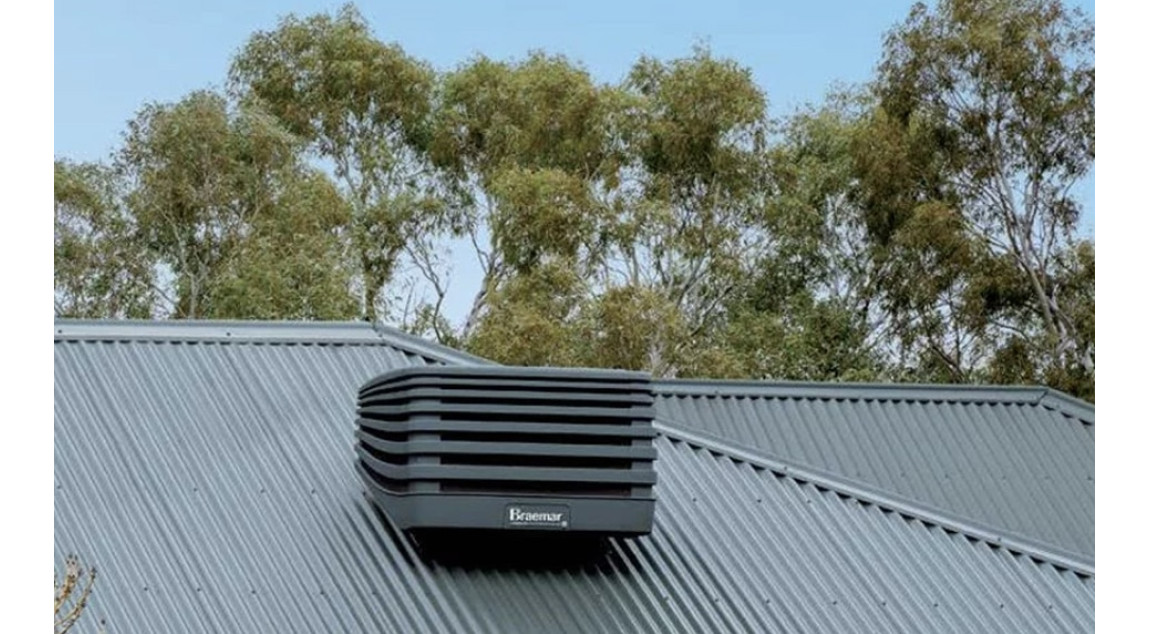
While split systems tend to get a lot of attention, there are many other great forms of air conditioning available. Today, we are going to shine a light on a highly regarded alternative–evaporative cooling systems. Often dubbed the most natural and eco-friendly form of air conditioning, evaporation coolers are available as both stand alone units […]

Your air conditioner won’t always last forever, but regular servicing sure helps to extend its lifespan. If you’re using the unit on a regular basis, this places a strain on all of its components, which can quickly lead to costly repairs.
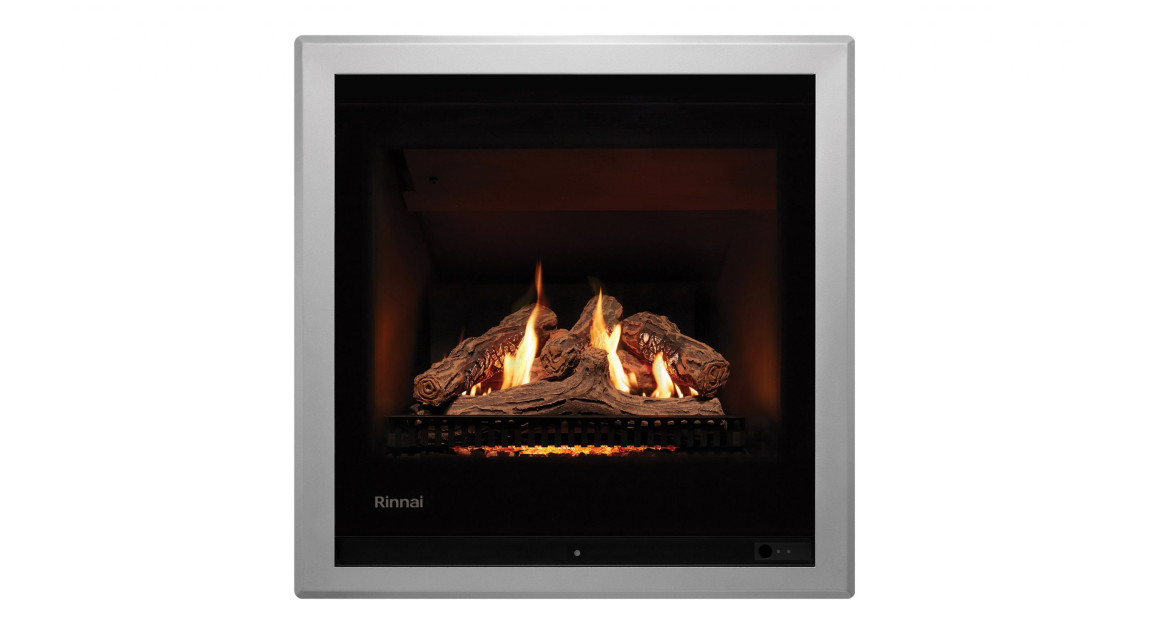
Whether you want to retrofit a gas log fire into your existing fireplace or fit one into a newly built home, there’s never been a better time to invest in a brand new Rinnai log fire. Let’s explore why right now.
Types of Rinnai Gas Log Fires

Inflation and cost-of-living pressures are undoubtedly two of the biggest challenges that Melbournians currently face. While we are unable to control the cost of petrol and supermarket items, there are some ways to cut down and save money. Today, we’re going to focus on heating and cooling and highlight some ways that you can save […]
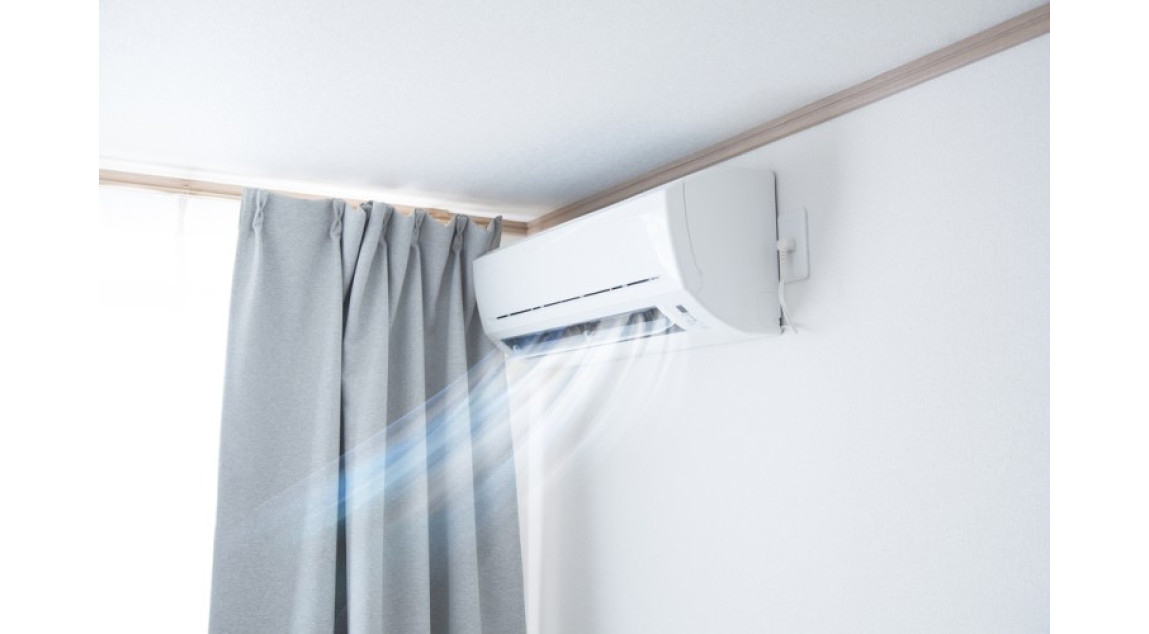
Air conditioning plays an incredibly important role in all of our lives. From home to work, shopping centres and public transport, we rely on these systems almost every day. As our need for reliable AC continues to grow, so does the capacity and functionality of modern air conditioning units. Without a doubt, split systems are […]


 03 9738 2000

