
Visit our showroom : 6 Royan Place, Bayswater North, Victoria 3153
Visit our showroom : 6 Royan Place, Bayswater North, Victoria 3153

Maroondah Heating & Cooling are the locally based and fully certified specialists. We have been heating and cooling Melbourne homes for over 25+ years.
Need a quote? Give us your information below and we will get back to you.



This article is written from an Australian doctor’s perspective and is for educational purposes only. Always consult your GP before starting, stopping or changing any medication.
If you’re over 30, you may recognise this story. You’ve told yourself a hundred times that this will be the year you quit smoking. You’ve tried willpower, nicotine gum, maybe even hypnosis. But the cravings, the irritability and the stress always pull you back. At the same time, you might feel more tired than you used to, less motivated, slower in your thinking, or worried about your weight creeping up. Perhaps you’ve also experienced low mood or “brain fog” and wondered whether there is a medication that could help without making you feel like a zombie, without ruining your sex life, and without adding extra kilos.
As an Australian GP, I hear these concerns every single week. Many patients are not aware that there is a medication that can address several of these problems at once. That medication is bupropion, best known in Australia under the brand name Zyban for smoking cessation, and also prescribed by doctors for selected patients with depression or low motivation. Let me walk you through why bupropion deserves your attention.
Bupropion is not an SSRI. It works mainly on two brain chemicals: noradrenaline and dopamine. These are the chemicals linked to energy, motivation, focus, reward and drive. For people over 30 who feel flat, exhausted, or trapped by nicotine addiction, this profile can be life-changing.
Unlike many older antidepressants, bupropion is:
| Your concern over 30 | How bupropion may help |
|---|---|
| Can’t quit smoking despite knowing the health risks | Reduces nicotine cravings, withdrawal irritability and the urge to smoke |
| Low mood, lack of motivation, feeling flat | Boosts noradrenaline and dopamine, improving drive and enjoyment |
| Fatigue, “brain fog”, poor concentration | Many patients report clearer thinking and more energy |
| Worried about weight gain from medication | Weight-neutral or mild weight loss is common |
| Worried about sexual side effects | Bupropion has a much lower risk than many other antidepressants |
This is one of the most common questions I hear. The short answer is: bupropion rarely causes memory problems. In fact, because it improves attention, focus and mental energy, many patients over 30 report that their memory and concentration feel sharper. Some people may experience a transient sense of “word-finding difficulty” or mild restlessness in the first week or two, but this usually settles. If you do notice significant memory loss, confusion or disorientation, your doctor should review your dose and check for other causes, such as poor sleep, low vitamin B12, thyroid problems, or interactions with other medicines. Bupropion is very different from benzodiazepines or older antihistamines that are known to blunt memory.
Many patients over 30 take a benzodiazepine — such as diazepam, temazepam or alprazolam — for anxiety, panic or sleep. The interaction between bupropion and benzodiazepines is generally minor, but it needs respect. There is no major metabolic clash, but both medicines can affect the brain. Taking them together may increase sedation, drowsiness, poor coordination or mental clouding, especially in the first weeks. Your doctor may recommend a lower benzodiazepine dose, or advise you not to drive until you know how you feel. Never mix bupropion with alcohol and benzodiazepines, as this can dangerously increase sedation and may also lower your seizure threshold. Always tell your GP about every benzodiazepine you are taking.
If you are over 30 and take a statin or another cholesterol-lowering medicine, you will be pleased to know that bupropion has no major clinically significant interaction with most cholesterol medications. Statins such as atorvastatin, rosuvastatin and simvastatin are metabolised via different liver pathways than bupropion. This means you can usually continue your cholesterol medication without any change. As always, your GP will monitor your liver function and any new muscle aches, but this is standard practice for statins regardless of bupropion. If you are on ezetimibe or fenofibrate, the same reassurance applies. Simply keep your doctor informed of all your medicines.
Most topical antifungal creams and shampoos are completely safe with bupropion because very little medicine is absorbed into your bloodstream. For oral antifungals, such as fluconazole, itraconazole or ketoconazole, there may be a theoretical interaction because some of these medicines can slow down the liver enzymes that break down bupropion. This could increase bupropion levels and, in rare cases, increase the risk of side effects or seizures. In practice, the interaction is uncommon and usually manageable. If you need an oral antifungal, your doctor may choose a shorter course, use a lower bupropion dose, or monitor you more closely. Always tell your GP if you are prescribed antifungal tablets, even for a short course.
Bupropion has strong evidence and is a first-line prescription medicine for smoking cessation in Australia. Under the brand name Zyban, it has been TGA-approved and used for over two decades. In clinical studies and real-world Australian programs, bupropion roughly doubles your chances of quitting successfully compared with willpower alone. When combined with behavioural support from your GP or Quitline, quit rates at 12 months can reach approximately 20–25%, compared with around 10–12% for placebo. Bupropion starts working before you quit — it is usually started 1–2 weeks before your quit date — and it reduces cravings, irritability and the reward sensation from smoking. Many patients find it easier to stop because cigarettes simply become less appealing.
Bupropion has a much lower risk of withdrawal symptoms than many other antidepressants, but you should still stop it carefully. Abruptly stopping a high dose can cause mood swings, irritability, anxiety or a return of smoking cravings. The general rule is:
| Your current bupropion dose | Safe stopping plan |
|---|---|
| 300 mg per day (usually two 150 mg tablets) | Reduce to 150 mg once daily for 5–7 days, then stop. If you feel unwell, extend the taper. |
| 150 mg once daily | Take every second day for 3–4 doses, then stop, or stop directly under GP advice if you have been on it for a short time. |
| Any dose with mood problems or long-term use | Always taper under GP supervision. Do not stop suddenly if you have a history of depression or anxiety. |
If you quit smoking at the same time, your GP may recommend a longer, slower taper to reduce the risk of relapse. Never stop bupropion and immediately restart smoking — plan your quit journey with support.
Allergic reactions to bupropion are uncommon, but you must know the warning signs. Stop the medicine and seek immediate medical help if you develop:
These symptoms may indicate a serious skin or allergic reaction. The highest risk period is within the first few weeks of starting bupropion. If you have ever had a seizure, an eating disorder, or are withdrawing from alcohol or benzodiazepines, tell your doctor, because bupropion is not suitable in those situations.
Some patients over 30 experience nausea, dry mouth, constipation or stomach discomfort when starting bupropion. These side effects are usually mild and improve within 1–2 weeks. The table below shows practical ways to manage them.
| Side effect | How to manage it |
|---|---|
| Nausea | Take bupropion with food or immediately after a meal. Start with the morning dose. Try ginger tea or dry crackers. Avoid strong smells and large fatty meals. |
| Dry mouth | Sip water regularly, chew sugar-free gum, use a dry mouth spray. Avoid caffeine and alcohol, which can worsen dryness. |
| Constipation | Increase water intake, eat more fibre (vegetables, fruit, wholegrains), and stay physically active. A fibre supplement may help. |
| Abdominal discomfort or heartburn | Avoid taking bupropion on an empty stomach. Do not lie down immediately after a dose. If your doctor agrees, you can split the daily dose. |
If gastrointestinal side effects persist beyond two weeks, or if vomiting is severe, contact your GP. A lower starting dose or a slower dose increase often solves the problem.
If you are over 30 and you see yourself in any of these situations — still smoking, feeling flat, tired, foggy, or worried about medication side effects — bupropion may be the conversation you have been missing. It is not a miracle cure, but it is a well-researched, TGA-approved medicine that can help you quit smoking, improve your mood and energy, and avoid many of the side effects that worry people most.
Here is what I suggest you do now:
You do not have to keep feeling stuck. With the right plan and the right medicine, many Australians over 30 have finally broken the cycle of smoking, low mood and fatigue. Speak to your GP today and ask whether bupropion is right for you.
Always read the Consumer Medicine Information (CMI) and discuss your individual risks with your doctor. This article does not replace professional medical advice.

Looking to go gas free in Victoria? You’re not alone. Both on a local and national level, a major push is being made to help property owners transition away from gas based appliances and embrace more efficient carbon-friendly options. Effective Jan 1, 2024, Victoria’s Gas Substitution Roadmap will officially begin. This initiative not only aims […]

As one of Melbourne’s leading heating and cooling companies, we have some expert tips and advice to keep you comfortable and cool. From rebates to cutting edge air conditioning systems, there are various steps you can take.

Whether you’re upgrading, fitting out a new property, or simply want to stay ready for the warm weather, we’re here to break down the best and brightest split systems available this summer.

A new air conditioning system is a big investment for any home and business. While the unit and brand is an important consideration, so is the company you choose. From the initial installation to ongoing servicing and repairs, you need someone that you can trust, respect, and depend on in a crunch. These days, heating […]

On a global level, our weather is becoming more unpredictable and extreme than ever. Australia is certainly no exception to the rule. In response, we’re all searching for ways to cope and be as comfortable as possible. Luckily, this is where split systems really fit the bill. Unless you’ve recently undertaken a renovation or bought […]

While split systems tend to get a lot of attention, there are many other great forms of air conditioning available. Today, we are going to shine a light on a highly regarded alternative–evaporative cooling systems. Often dubbed the most natural and eco-friendly form of air conditioning, evaporation coolers are available as both stand alone units […]

Your air conditioner won’t always last forever, but regular servicing sure helps to extend its lifespan. If you’re using the unit on a regular basis, this places a strain on all of its components, which can quickly lead to costly repairs.
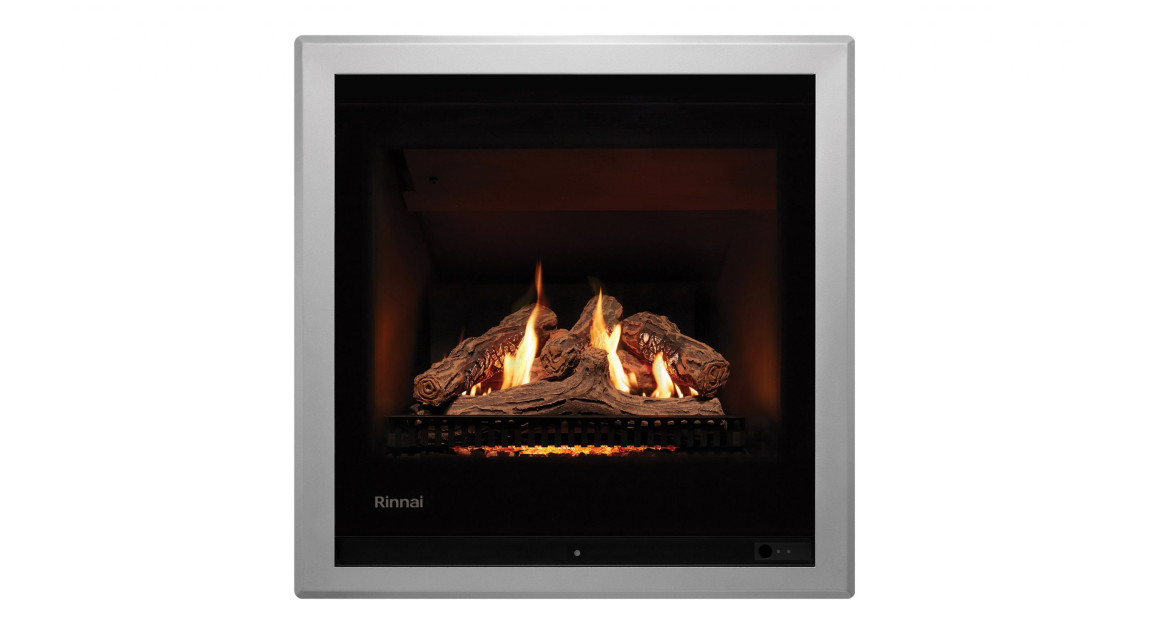
Whether you want to retrofit a gas log fire into your existing fireplace or fit one into a newly built home, there’s never been a better time to invest in a brand new Rinnai log fire. Let’s explore why right now.
Types of Rinnai Gas Log Fires

Inflation and cost-of-living pressures are undoubtedly two of the biggest challenges that Melbournians currently face. While we are unable to control the cost of petrol and supermarket items, there are some ways to cut down and save money. Today, we’re going to focus on heating and cooling and highlight some ways that you can save […]

Air conditioning plays an incredibly important role in all of our lives. From home to work, shopping centres and public transport, we rely on these systems almost every day. As our need for reliable AC continues to grow, so does the capacity and functionality of modern air conditioning units. Without a doubt, split systems are […]


 03 9738 2000

