
Visit our showroom : 6 Royan Place, Bayswater North, Victoria 3153
Visit our showroom : 6 Royan Place, Bayswater North, Victoria 3153

Maroondah Heating & Cooling are the locally based and fully certified specialists. We have been heating and cooling Melbourne homes for over 25+ years.
Need a quote? Give us your information below and we will get back to you.


Attention: If you are over 30, you probably know the 3 a.m. feeling: wide awake, mind racing, dreading the alarm. Perhaps you lie there thinking about work, the mortgage, ageing parents, or your children. By morning you feel heavy, irritable and foggy. Over time, poor sleep and low mood can quietly damage your health, your relationships and your performance at work. As a doctor practising in Australia, I see this pattern every single day. Many people think they just have to live with it. They do not.
The real cost of untreated sleep and mood problems is enormous. You may be drinking more coffee, snapping at your partner, finding it harder to concentrate, and feeling less motivated to exercise. Chronic insomnia is also linked with higher blood pressure, weight gain, diabetes and anxiety. The good news is that a medication called trazodone has helped many Australian adults regain control of their nights — and their days.
Trazodone is a prescription medicine belonging to a class called serotonin antagonist and reuptake inhibitors, or SARIs. It was originally developed as an antidepressant, but in Australian practice it is highly valued for its ability to improve sleep quality, reduce night-time waking, and support mood stability. Unlike benzodiazepines or “Z-drug” sleeping tablets, trazodone is generally considered to have a lower risk of dependence and withdrawal when used appropriately.
From a doctor’s point of view, trazodone is useful because it can address two problems at once: low mood and broken sleep. It is not a first-choice medicine for everyone, but for many adults over 30 who are burned out, anxious, and unable to switch off at night, it can be an excellent option. It is usually taken at night because it causes sedation within about 30 to 60 minutes.
| Feature | Details |
|---|---|
| Drug class | Serotonin antagonist and reuptake inhibitor (SARI) |
| Common use in Australia | Major depression, insomnia, anxiety, night-time agitation |
| Usual starting dose | 25–50 mg at night, increased only under medical supervision |
| Typical dose range | 25–150 mg at night for sleep; up to 300 mg for depression in selected patients |
| Onset of sedation | Usually 30–60 minutes after taking at night |
| Legal status | Prescription-only medicine (Schedule 4) in Australia |
| Dependence risk | Lower than benzodiazepines, but should still be reviewed regularly |
Many patients worry about drug testing, especially if they have workplace health assessments or medico-legal matters. Routine blood tests in Australia do not measure trazodone unless specifically requested by your doctor. If a serum test is ordered, trazodone generally has a half-life of about 5 to 13 hours. In a healthy adult, a single dose may be detectable in serum for roughly 24 to 48 hours. With regular use, higher doses, older age, or reduced liver or kidney function, it may be detectable for several days — typically up to 3 to 7 days depending on the sensitivity of the laboratory test. Always tell your doctor and pathologist about any medication you take.
One of the most common questions I hear is: “Can I take trazodone with Panadol Osteo or Nurofen?” The answer is generally reassuring, but you still need a few precautions.
Panadol Osteo contains paracetamol in a modified-release form. There is no clinically significant interaction between trazodone and paracetamol at normal approved doses. This means most people can safely use Panadol Osteo for joint pain or headaches while taking trazodone, provided they stay within the recommended daily paracetamol limit.
Nurofen contains ibuprofen, a non-steroidal anti-inflammatory drug. Again, there is no major direct drug interaction with trazodone. However, both medicines can cause dizziness or stomach upset in some people. If you are dehydrated, have kidney problems, or take high-dose ibuprofen for long periods, your doctor should monitor your kidney function and blood pressure.
| Medicine | Example Brand | Interaction | Doctor’s Advice |
|---|---|---|---|
| Paracetamol modified release | Panadol Osteo | No significant interaction | Safe at usual doses; do not exceed maximum daily paracetamol limit |
| Ibuprofen | Nurofen | No major direct interaction; possible additive dizziness | Take with food; use caution if dehydrated or have kidney disease |
| SSRI antidepressants | Lexapro, Zoloft | Increased risk of serotonin syndrome | Do not combine without specialist advice |
| SNRI antidepressants | Effexor, Cymbalta | Increased risk of serotonin syndrome | Avoid combining unless directed by a psychiatrist |
| Tramadol | Tramal | Serotonin syndrome risk, possible seizures | Generally avoid |
| Warfarin | Marevan | Possible change in INR | Monitor INR more closely when starting or stopping trazodone |
| Alcohol | Beer, wine, spirits | Additive sedation, dizziness, reduced coordination | Avoid alcohol, especially in the first weeks |
One important side effect of trazodone is orthostatic hypotension — a sudden drop in blood pressure when you stand up. This happens because trazodone blocks alpha-1 receptors, which can relax blood vessels. In Australia’s hot climate, especially during summer or after exercise, dehydration can make this risk worse. You may feel dizzy, light-headed or even faint when getting out of bed at night to go to the toilet.
To reduce this risk, start with a low dose, rise slowly from sitting or lying, drink enough water, and avoid very hot showers late at night. If you already take blood pressure medicines or are over 65, your doctor should review the combination carefully.
Trazodone is not approved in Australia for use in children and adolescents under 18 years of age. Despite this, some paediatric psychiatrists and sleep specialists may use low-dose trazodone off-label in carefully selected young people with severe insomnia, anxiety or depression when safer first-line options have failed. This should only happen under specialist supervision, with fully informed consent from parents or guardians and regular monitoring. General practitioners rarely start trazodone in children. If a parent asks about it, I recommend a referral to a child and adolescent psychiatrist.
Magnesium is one of the most popular sleep and relaxation supplements in Australia. Many patients ask: “Can I take magnesium with trazodone?” The short answer is yes, with precautions. There is no dangerous direct interaction between trazodone and magnesium. In fact, some people find that taking magnesium glycinate at night helps promote relaxation and muscle comfort, which may allow them to use a lower trazodone dose.
However, high-dose magnesium can cause loose bowel motions or, in people with kidney disease, magnesium accumulation. Always tell your doctor about any supplements you take. Used sensibly, magnesium may be a useful add-on for sleep, especially if you also suffer from muscle cramps or restless legs.
In Australian aged care settings, trazodone is often used at low doses, usually 25 to 50 mg at night, to help manage sleep disturbance, night-time agitation and distress in people living with dementia. It is frequently preferred over benzodiazepines or antipsychotic medicines because it has a lower risk of parkinsonism, falls and over-sedation when used carefully.
That said, trazodone is not a first-line treatment for dementia itself. It does not slow the disease. It should only be used after non-drug strategies — such as daytime activity, pain management, and a calm bedtime routine — have been tried. Regular review is essential because older people are more sensitive to sedation, dizziness and orthostatic hypotension.
Restless legs syndrome, or RLS, is surprisingly common in adults over 30. It causes an uncomfortable urge to move the legs, especially at night, and can severely disrupt sleep. Trazodone is not approved for RLS and is not a first-line treatment. The main evidence-based options in Australia are alpha-2-delta ligands, such as gabapentin or pregabalin, and sometimes low-dose dopamine agonists under specialist care.
However, some Australian sleep physicians and psychiatrists use trazodone off-label when a patient has both insomnia and RLS. By improving deep sleep and reducing night-time hyperarousal, trazodone may help patients feel less bothered by RLS sensations. It can be a useful option, but only after a full medical assessment.
Doctors working with Aboriginal and Torres Strait Islander patients must always practise culturally safe care. Indigenous Australians often experience higher rates of diabetes, chronic kidney disease, heart disease and psychological distress. Many take multiple medicines from different clinics, which increases the risk of interactions and side effects.
When prescribing trazodone, I consider a lower starting dose, assess kidney and liver function, and watch closely for dizziness and orthostatic hypotension. I also ask about traditional medicines, community supports and preferences. If possible, I involve an Aboriginal health worker, liaison officer or family member in the discussion. Access barriers, remoteness, cost and stigma all matter. Trazodone may be appropriate, but the decision must be shared, respectful, and revisited regularly.
If you are over 30 and struggling with poor sleep, low mood, irritability, stress or tension, trazodone may be a very useful option. It is not available over the counter in Australia. You need a prescription from a doctor. The good news is that it is widely available in Australian pharmacies under brand names and as a generic medicine.
Here is what I recommend:
Trazodone is not a magic pill, and it is not for everyone. But for many Australian adults over 30, it offers something very real: the chance to sleep deeply, wake more refreshed, feel calmer, and face the day with more energy and patience. You do not have to accept chronic exhaustion as normal. Speak with your doctor today and find out whether trazodone is right for you.
Doctor’s note: This article is general health information only and does not replace individual medical advice. Always consult a qualified Australian medical practitioner before starting, stopping or changing any prescription medicine.

Looking to go gas free in Victoria? You’re not alone. Both on a local and national level, a major push is being made to help property owners transition away from gas based appliances and embrace more efficient carbon-friendly options. Effective Jan 1, 2024, Victoria’s Gas Substitution Roadmap will officially begin. This initiative not only aims […]
As one of Melbourne’s leading heating and cooling companies, we have some expert tips and advice to keep you comfortable and cool. From rebates to cutting edge air conditioning systems, there are various steps you can take.
Whether you’re upgrading, fitting out a new property, or simply want to stay ready for the warm weather, we’re here to break down the best and brightest split systems available this summer.
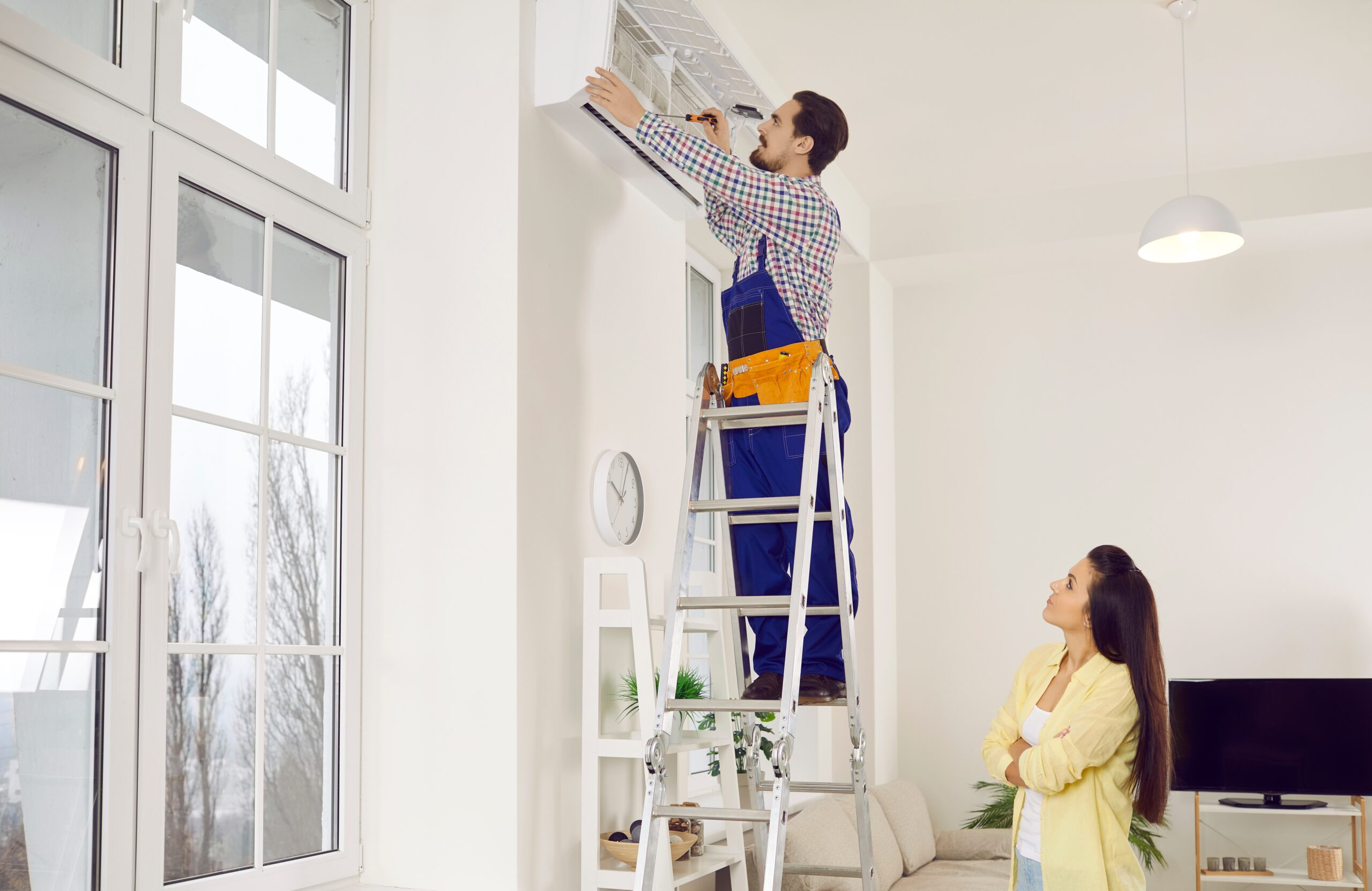
A new air conditioning system is a big investment for any home and business. While the unit and brand is an important consideration, so is the company you choose. From the initial installation to ongoing servicing and repairs, you need someone that you can trust, respect, and depend on in a crunch. These days, heating […]
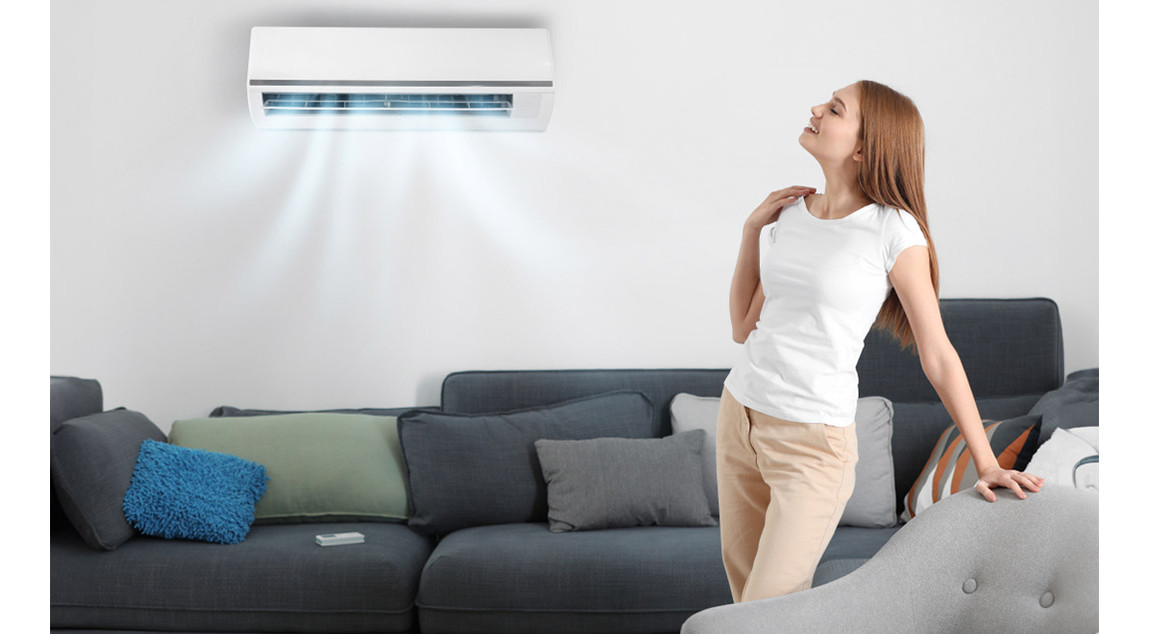
On a global level, our weather is becoming more unpredictable and extreme than ever. Australia is certainly no exception to the rule. In response, we’re all searching for ways to cope and be as comfortable as possible. Luckily, this is where split systems really fit the bill. Unless you’ve recently undertaken a renovation or bought […]
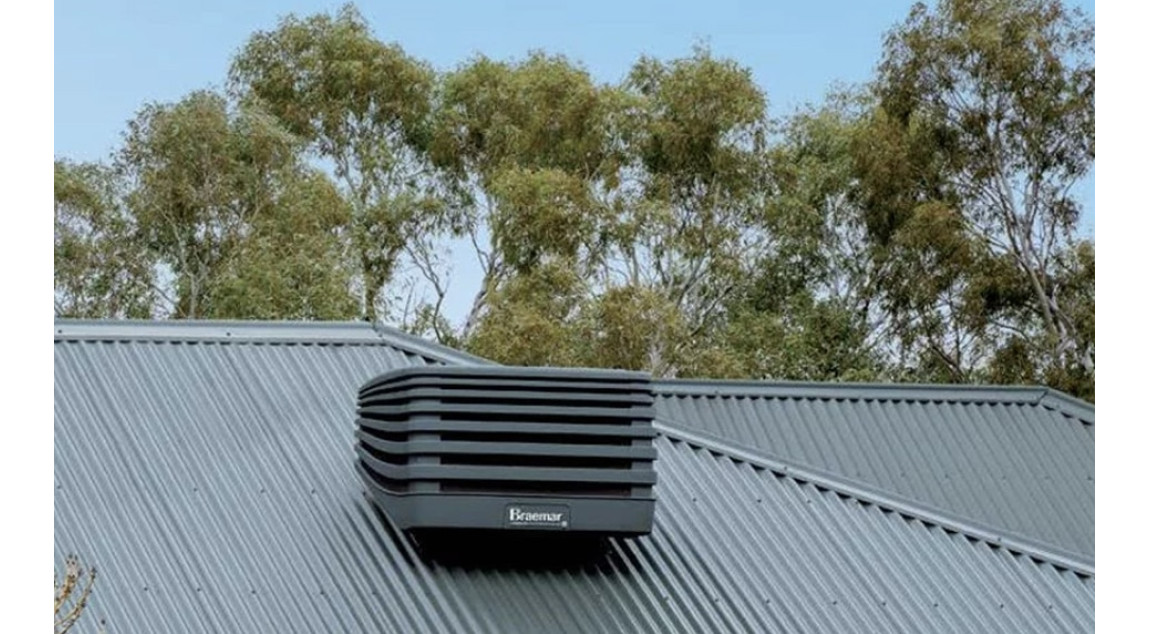
While split systems tend to get a lot of attention, there are many other great forms of air conditioning available. Today, we are going to shine a light on a highly regarded alternative–evaporative cooling systems. Often dubbed the most natural and eco-friendly form of air conditioning, evaporation coolers are available as both stand alone units […]
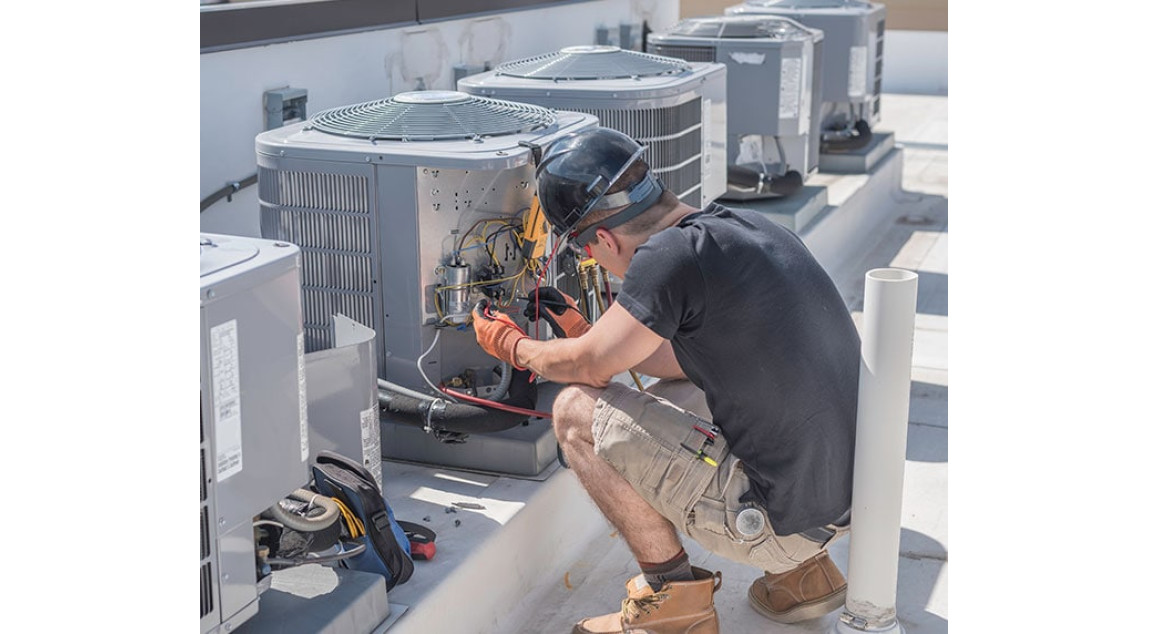
Your air conditioner won’t always last forever, but regular servicing sure helps to extend its lifespan. If you’re using the unit on a regular basis, this places a strain on all of its components, which can quickly lead to costly repairs.
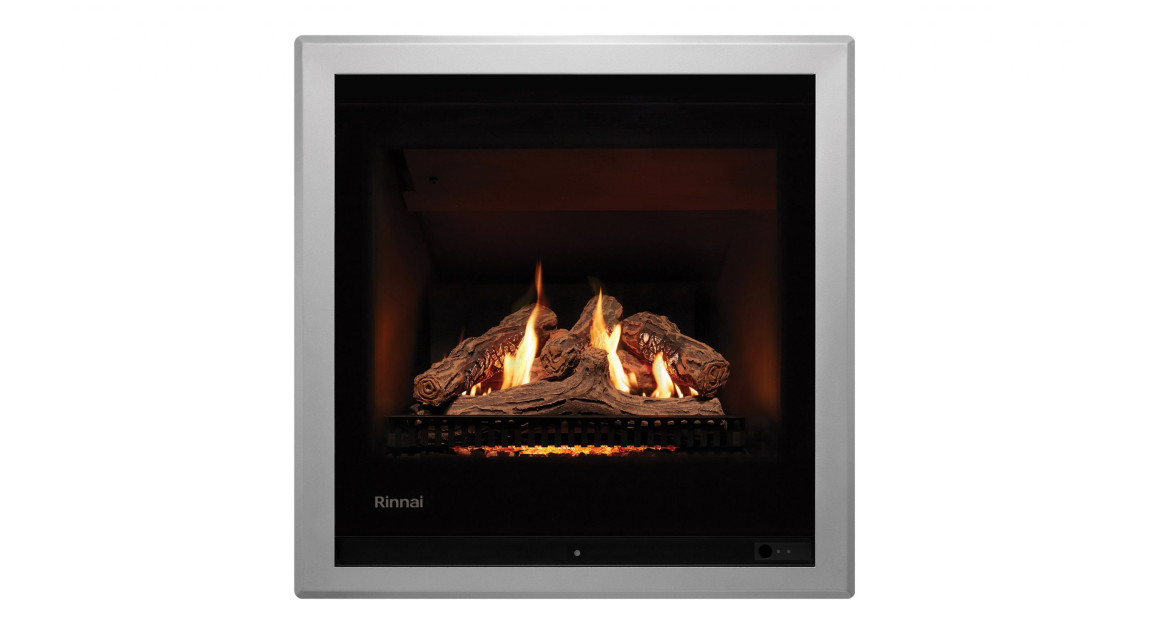
Whether you want to retrofit a gas log fire into your existing fireplace or fit one into a newly built home, there’s never been a better time to invest in a brand new Rinnai log fire. Let’s explore why right now.
Types of Rinnai Gas Log Fires
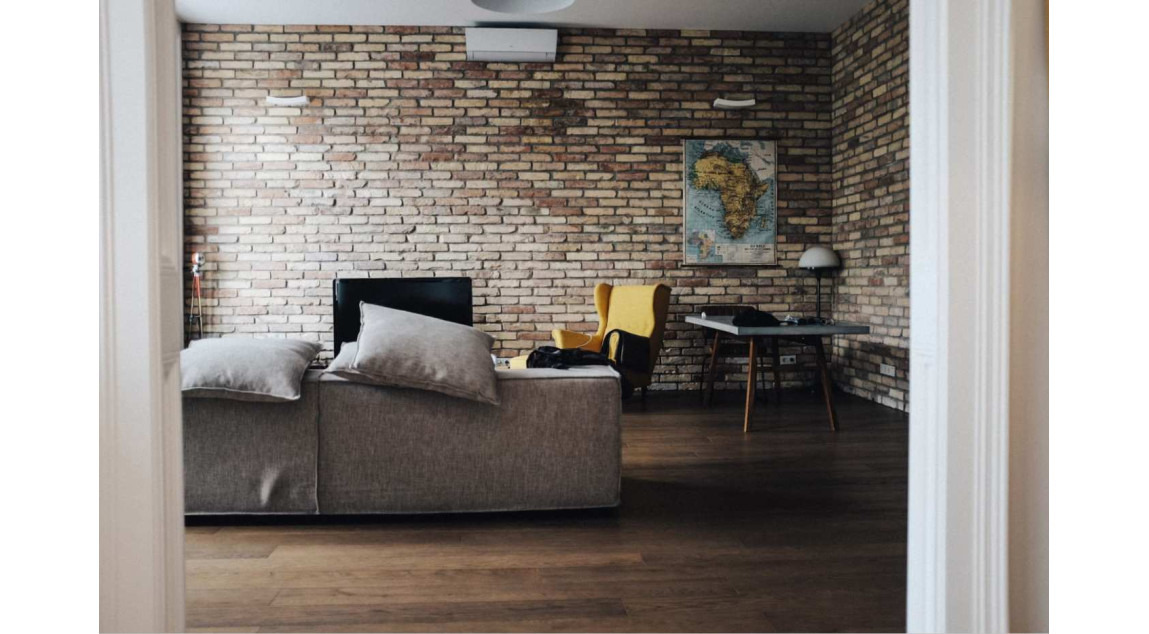
Inflation and cost-of-living pressures are undoubtedly two of the biggest challenges that Melbournians currently face. While we are unable to control the cost of petrol and supermarket items, there are some ways to cut down and save money. Today, we’re going to focus on heating and cooling and highlight some ways that you can save […]
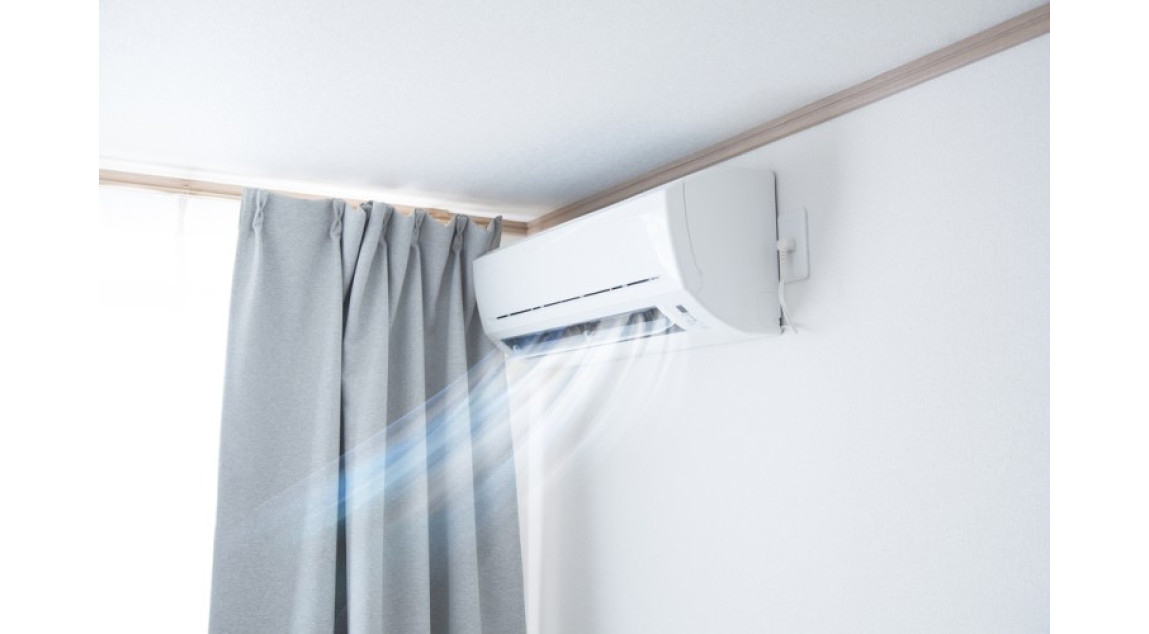
Air conditioning plays an incredibly important role in all of our lives. From home to work, shopping centres and public transport, we rely on these systems almost every day. As our need for reliable AC continues to grow, so does the capacity and functionality of modern air conditioning units. Without a doubt, split systems are […]


 03 9738 2000

